Executive insights
Competitive Advantage in Today’s Market Comes Down to This “Low Tech” Factor

Chris Orlob
Content Author
Published on: August 14, 2018
Last modified on: March 4, 2026
In Michael Porter’s seminal bookCompetitive Advantage,he highlights three core competitive strategies:
- Cost leadership
- Focus
- Differentiation
Cost leadershipis for the “Amazons of the world.” Their economies of scale allow them to reapinsaneprofits despite charging razor thin prices. They “make it up in volume.”Focusis for companies that narrow in on a niche. While this is agreatway to insulate yourself from competition, you often remain “stuck” in that niche. That’s not necessarily a bad thing. Just something to be aware of, and to decide whether being a small business is right for you. And then there’sdifferentiation. Providing somethinguniqueto your customer. This post is for companies that rely ondifferentiationas their competitive strategy. And as you’ll learn,the source of differentiation is changing.If you don’t adapt, you’ll be left out in the cold.
Product Differentiation Isn’t Enough for Competitive Advantage
When most people think of differentiation, they think in terms of their product. But as Porter points out,differentiation can be sourced fromanypart of your “value chain.”Not just your product.And here’s why that insight is more important than ever:If you rely on yourproductto differentiate in today’s world, you’ll getcreamed. Today,sales conversations— what your sellerssay,do,andwrite— are where theperception of difference is created.In other words:
The battleground for competitive differentiation has shifted from product, to sales conversations.
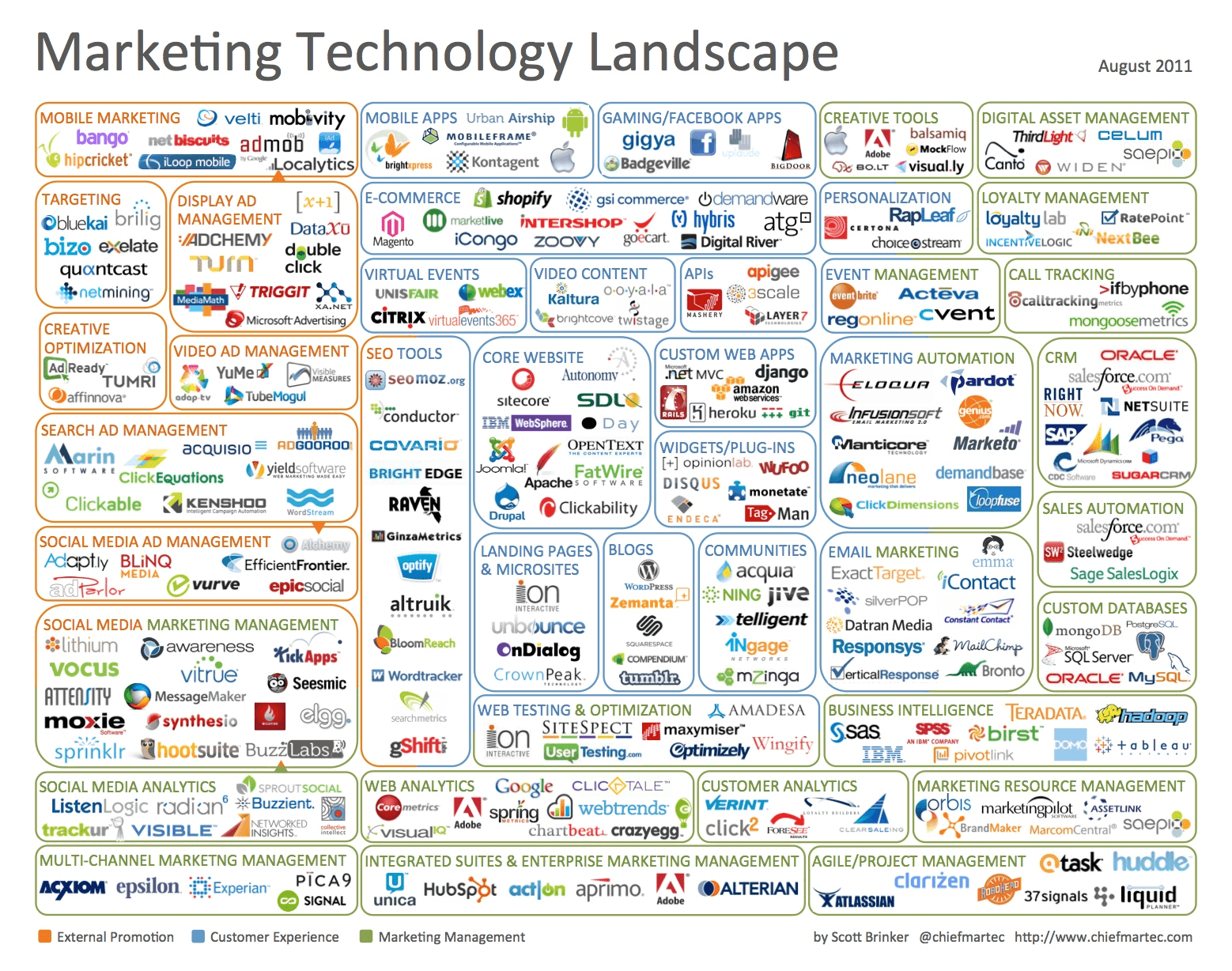
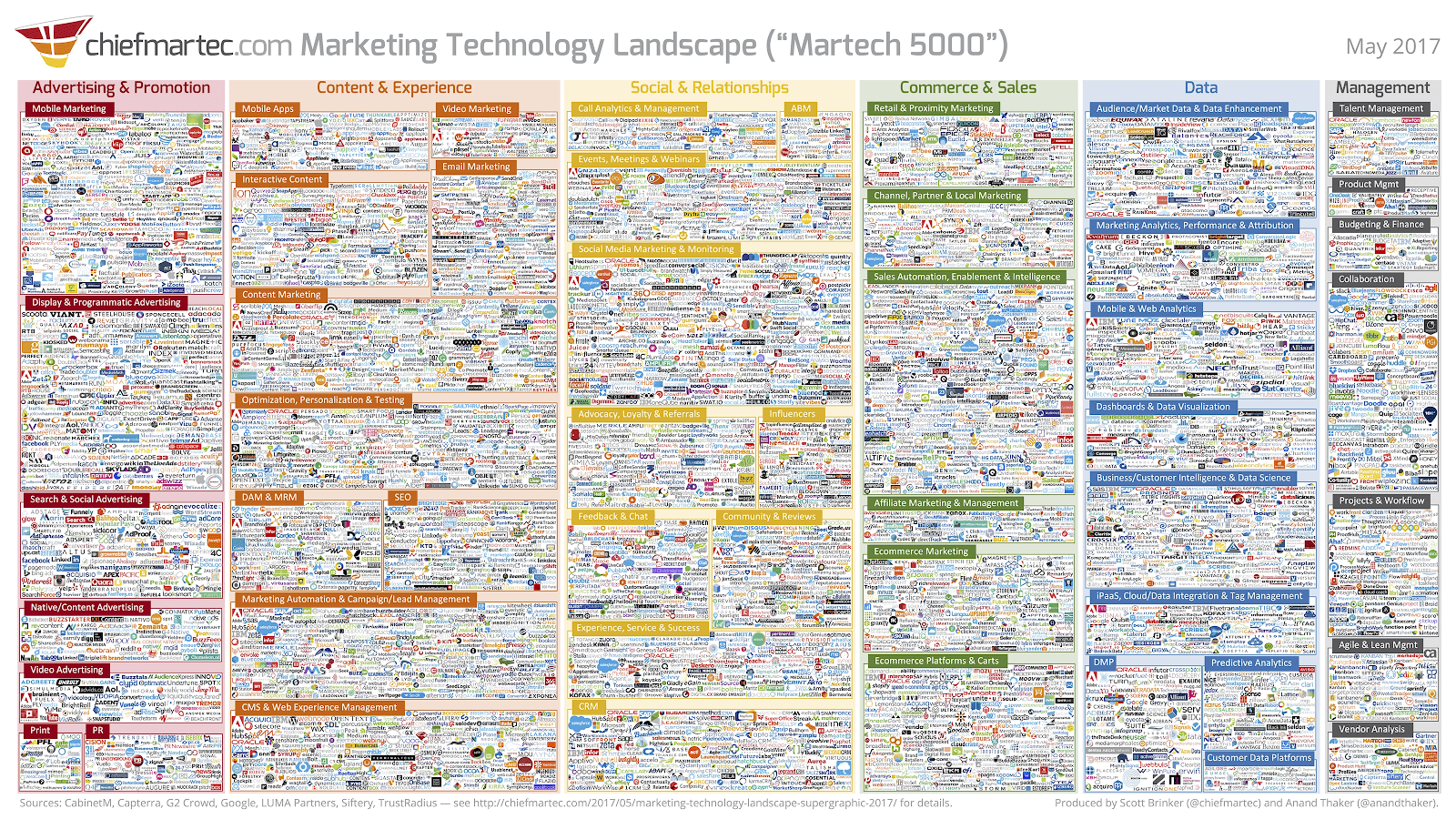
How can I say this? Simple.Almostevery B2B category isexplodingwith a swath of competitive products.Here’s just one example:the marketing technology industry. In 2011, this industry had 150 vendors.That’s already a lot of noise. But it’s gotten exponentiallyworse.Today,Martech hasover 5,000 vendors(That’s not a typo).Product differences are unlikely to cut through this clutter.This is just one example. The same explosion in competition is happening in (almost) every B2B category.
Customers Won’t Evaluate You In a Vacuum
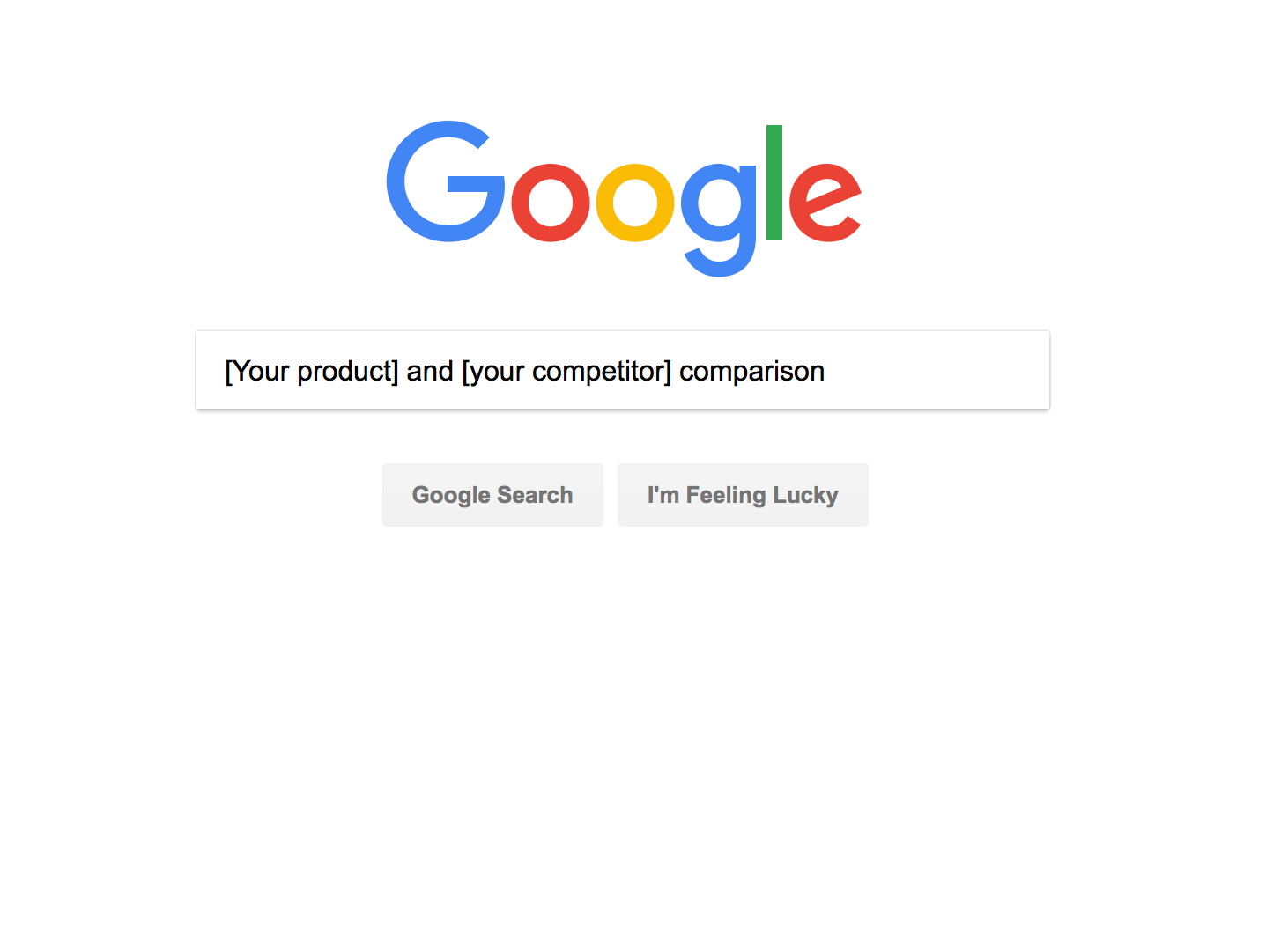
If all of this wasn’t difficult enough, your customers are activelythrowing themselvesinto this sea of choices. Today, when customers evaluate products,they actively searchfor alternatives to compare it to. “Comparison searches” on Google have grown by 5-10x (depending on the category) since 2011.These two trends, when combined, lead to what I call the “Twin Effect.”
The “Twin Effect”

Telling the difference between two competing products is like telling the difference between twin children. To you (the parent), the differences are obvious. You eat, sleep, and breathe your product. You probably visit your competitor’s website regularly, too. You canimmediatelytell the difference between your product and your competitors’.It’s not so easy for your buyers.Theydon’tspend all day with your product. Since it’s their first time comparing the two products, they lookthe sameto the untrained eye.This leads back to my opening point.Sales conversations are the new vehicle for differentiation.Rather thanrelyingon your product for differentiation,it’s nothing more than a ticket to play the game. Important? Yes. But it’s insufficient withouteffectivesales calls, meetings, and email communications.
Have You Ever Been Here Before?
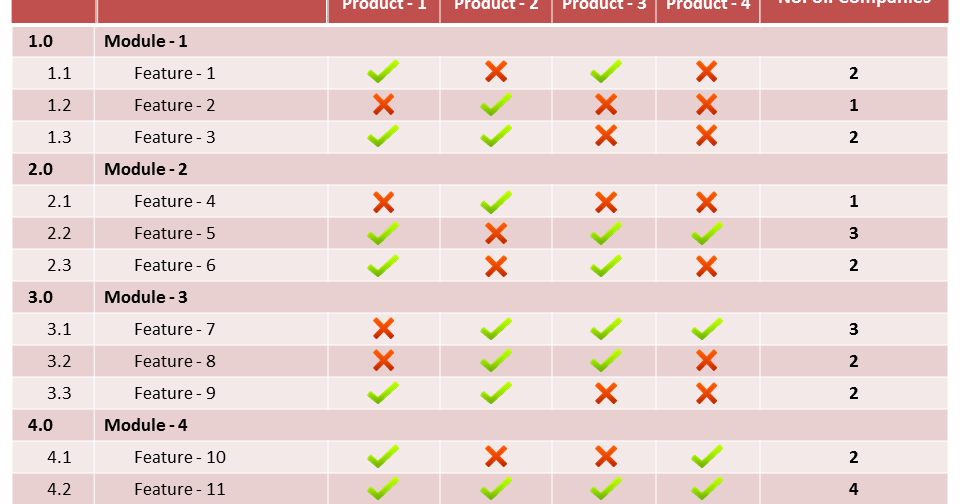
Here’s how relying on your product for differentiation plays out in the trenches. After your buyer watches dazzling product demos from both you and your competitors, they start feeling a keen desire to understand the differences. So, in an effort to “make an intelligent business decision,” they create thedreadedcomparison spreadsheet.It usually looks something like this:The use of this comparison tool leads to a fierce competitive “bakeoff,” and triggers what I call the “spec war.” You “one-up” your competitor withFeature A.They retaliate, matchFeature A, and one-up you onFeature B.This cycle continues until your customer concludes:
“These products are at parity with each other.”
They resort to doing what you were trying to avoid all this time.They grind youbothdown on price.You offer a 10% discount. Your competitor offers 15%. And so it goes. When the screen fades to black, the “winner” of this story is the company who erodes the integrity of their pricing. The common complaint from the losing seller typically sounds like this:
“The customer said he’snever seen two products look more identical, and the decision came down to price. He just didn’t ‘get it’.”
HowYou Sell Is as Important asWhatYou Sell
This grim narrative actually represents your biggest competitive opportunity. What if your customersdisqualifiedyour competitors entirely? What if customers viewed your competitors as acommodityand you as astrategic partner?If you can transform your sales conversations, you can make these things happen. You candominateyour competition. If your product is “at parity” with your competitors, but yoursales conversationsare on a whole new level, you’ll run circles around them. There arespecific thingsyour team can do during sales meetings to make that happen. It’s not magic. All that’s required is the rightstrategy. The specific strategies for selling against the competition are beyond what I can cover here. That’s why I hosted an live webinarthat’s now available on-demand as a recording. You’ll learn how to dominate your competition with winning sales conversations,step by step.You’ll also seereal lifeexamplesof sales pitches that “box out” the competition.

If you apply what you learn in that webinar,you’ll earn a seat at the executive table.
Content Author
Chris Orlob is the Co-Founder and CEO of Pclub.io, a leading sales training platform designed to help sales professionals accelerate their revenue growth. He is best known for his pivotal role at Gong, where he helped scale the company from $200,000 to $200 million in ARR, contributing to a $7.2 billion valuation. During his tenure at Gong, Chris led the creation of Gong Labs and excelled in various go-to-market roles. Today, through Pclub.io, he leverages his deep expertise in sales and revenue operations to coach over 11,000 SaaS sellers.
Win more with Gong
Loading form...
Discover more from Gong
Check out the latest product information, executive insights, and selling tips and tricks, all on the Gong blog.